Six Career Lessons I’ve Learned in 16 Years

Sixteen years into my career, I’ve learned enough to know how much I still don’t know. That may be one of the first lessons experience teaches us.

When I entered the workforce, I naturally thought about a career largely in terms of destinations: find the right opportunity, become good at what you do, earn more responsibility, advance and build something. There’s nothing inherently wrong with any of those ambitions. I still have plenty of them. But 16 years have given me a different appreciation for the journey.

I’ve succeeded and failed. I’ve led people and been led by others. I’ve been promoted, changed directions, started over and watched some professional ambitions turn out differently than I imagined. Through all of it, I’ve also learned that reflection is most useful when I keep my own hands on the plow. It would be easy to write about what someone else should have done differently along the way. There are lessons there, certainly, but these are lessons I am responsible for practicing myself.

Looking back, six stand out.

1. Your Career Will Make More Sense in Retrospect

We put tremendous pressure on ourselves to make every career move look like progress. Upward is good. Sideways is questionable. Backward must mean something went wrong. Real careers are rarely that tidy.

Sometimes a position gives you experience you won’t understand the value of until years later. Sometimes the job you thought was preparing you for one destination is actually preparing you for something completely different. My own career has moved through accounting, management, customer-facing work, compliance, administration and other responsibilities that don’t always form an obvious straight line on paper. In practice, those experiences overlap constantly.

I’ve learned to stop demanding that every season explain itself while I’m still living it. Learn what you can, develop transferable skills and pay attention to what a particular season is producing in you. Today’s detour may become tomorrow’s preparation.

2. Understand the Work—Don’t Just Complete It

Early in a career, completing the assigned task feels like competence. Eventually, I learned to ask more questions: Why are we doing this? What happens before it reaches me? Where does it go afterward? Who depends on it? What happens if it’s wrong?

There’s a significant difference between knowing a process and understanding a system. The person who understands the system can troubleshoot when the normal process breaks, recognize connections that aren’t immediately obvious and understand how seemingly small decisions affect people farther downstream.

That distinction will probably become even more important as artificial intelligence and automation handle more mechanical tasks. Knowing which button to push may become less valuable; understanding why the button exists will become more valuable. Don’t become indispensable because you’re the only person who knows how to perform a task. Become valuable because you understand what the organization is trying to accomplish and how your work contributes to it.

3. Become Really Good at Learning

I’ve spent portions of my career walking into situations where I didn’t know nearly as much as I wanted to know. That can be uncomfortable, particularly as you progress professionally and begin feeling as though your experience should mean you already have the answers.

But I’ve learned there is a massive difference between inexperience and incuriosity. You don’t have to enter every room knowing everything. You do need enough humility to ask questions and enough confidence to say, “I don’t understand this yet.” Investigate discrepancies instead of working around them. Receive correction without allowing embarrassment to stop the learning process. Be willing to discover that the way you’ve always done something may not be the best way to do it now.

Some of my greatest professional growth has happened when I stopped worrying about whether I should already know something and simply started learning it. You don’t have to know everything. Become someone who knows how to learn.

4. Don’t Ask Your Career to Tell You Who You Are

This one has taken me longer to learn. There’s nothing wrong with ambition. Work can be meaningful, accomplishment can be satisfying, and promotions and professional milestones are worth celebrating. I believe we should take our work seriously and pursue excellence in whatever has been entrusted to us.

But a career makes a terrible identity.

Jobs change. Companies change. Leaders change. Priorities change. Doors we expect to open sometimes don’t, while doors we thought would remain open sometimes close. And sometimes the professional future we imagined simply doesn’t happen.

If our identity is anchored to our career, those experiences become more than disappointments. They can begin to feel like verdicts about our worth. I want to care deeply about what I do without requiring my work to tell me who I am. I want to remain ambitious without making achievement responsible for answering questions it was never capable of answering.

Build an identity sturdy enough to survive professional disappointment.

5. If You Lead People, Know Them

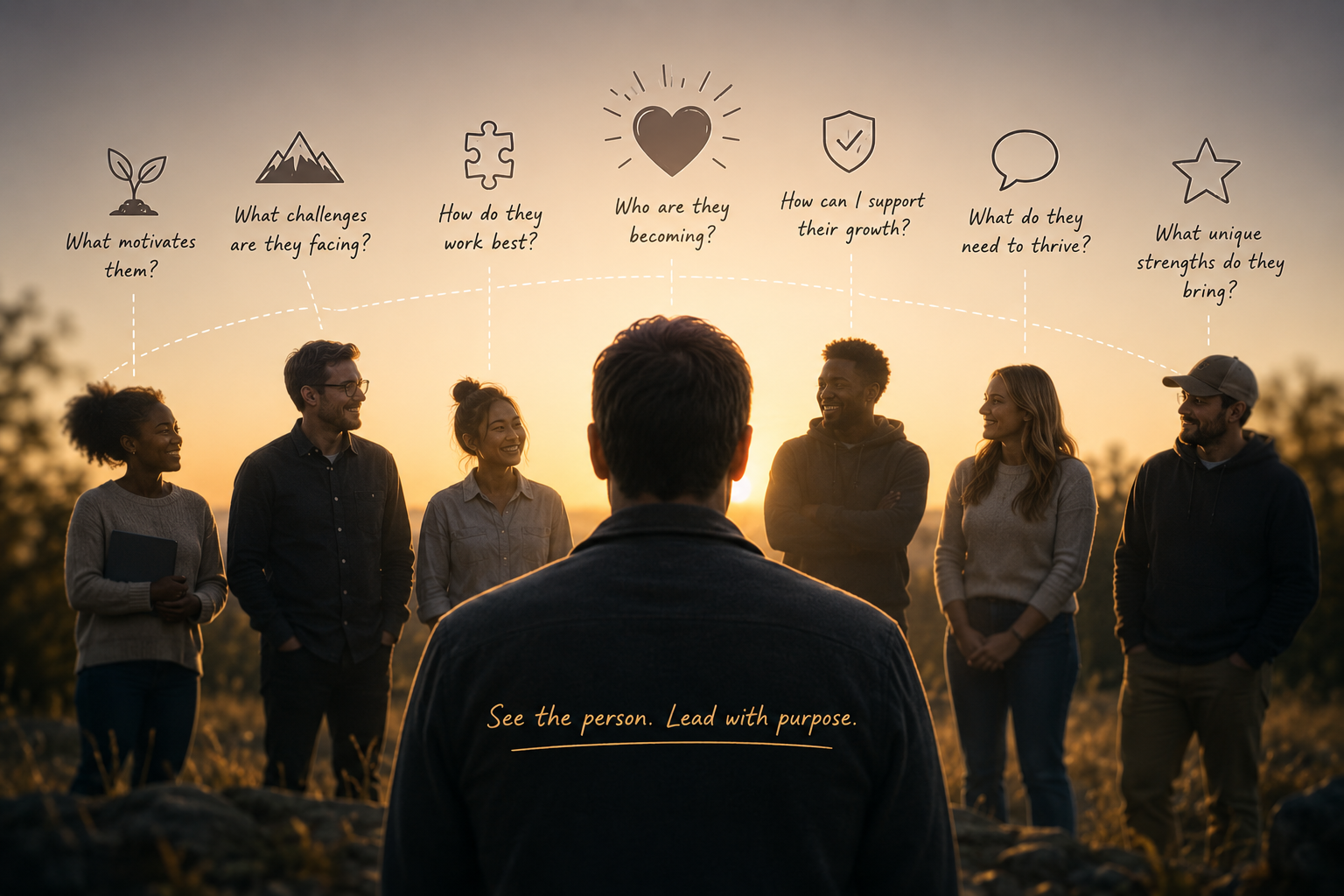
I’ve become increasingly convinced that getting to know the people you lead isn’t an optional component of leadership. It’s part of the job.

Metrics matter. Performance matters. Professional development matters. Accountability matters. But none of those things completely describes a human being. Good leadership also notices behavior, confidence, collaboration, well-being and maturation. What motivates this person? What discourages them? How have they grown? How do they respond under pressure? What environment allows them to do their best work? Are you evaluating only what they produce, or are you paying attention to the person they are becoming?

Knowing people doesn’t eliminate accountability; it gives accountability context. There are still expectations to meet and difficult conversations to have. But the more a leader understands the person behind the performance, the better equipped that leader is to distinguish between a pattern that needs correction, a person who needs development and a human being who may simply be navigating a difficult season.

And responsibility runs both ways. If I’m being led, I have some responsibility to allow myself to be known—to communicate, receive feedback, explain how I work and not expect someone else to decipher me entirely on their own. Healthy organizations don’t merely develop better employees. They develop people.
6. How You Work With People Will Outlast Much of the Work

Sixteen years have introduced me to plenty of projects that once felt incredibly important. Deadlines felt enormous. Problems demanded immediate attention. There were assignments that consumed hours of thought and projects that seemed, at the time, as though they would define an entire season of my career.

Many of them barely cross my mind anymore. But I remember people.

I remember those who taught me something, encouraged me, showed patience and made room for me to grow. I also remember moments when I should have listened better, communicated better, extended more grace or handled something differently. Time has a way of shrinking the urgency of yesterday’s project while clarifying the significance of how we treated the people who worked on it with us.

Someday, the spreadsheet will be replaced. The project will end. The organizational chart will change. Someone else will sit in your chair. The work matters, but so does the effect we have on the people sharing that stretch of road with us.

Sixteen years in, perhaps that’s what has changed most about how I define a successful career. I still want to build something worthwhile. I want to become excellent at my craft, stay curious and keep growing. I hope I’m still doing all of those things 16 years from now.

But don’t become so focused on building a career that you forget you’re also building a life. And don’t become so good at the work that you forget the people doing it beside you.
Graphic creds: ChatGPT
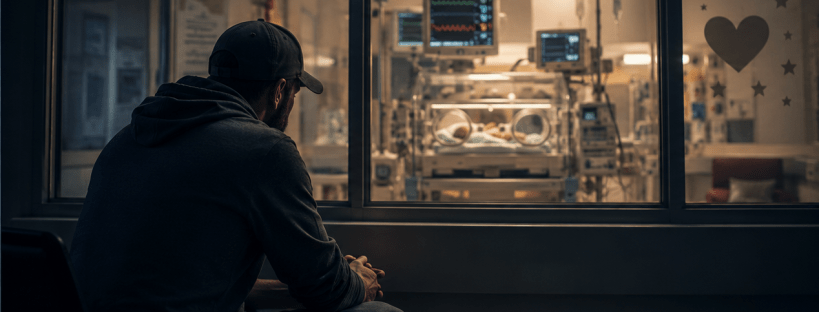

The Part No One Talks About: A Letter to Exhausted NICU Dads

There’s a kind of exhaustion that doesn’t announce itself while you’re in it.

It’s not loud. It doesn’t always look like breaking down in a hallway or sitting in the dark parking lot outside the hospital trying to gather yourself before you go back in. Sometimes it just looks like functioning. Clocking in. Clocking out. Making calls. Answering texts. Sitting beside the hospital bed like you’re holding the whole world together with duct tape and determination.

You do what you have to do.

You become provider, advocate, scheduler, translator of medical jargon, emotional anchor, and sometimes the only stable point in a room full of uncertainty. You learn to live in two worlds at once—one foot in hospital rooms that smell like sanitizer and fear, the other in a life that keeps demanding normalcy from you like nothing has changed.

And somehow, everything has changed.

For a lot of dads, the hardest part isn’t just surviving the NICU or a long hospital season. It’s what comes after.

Because when the alarms stop and the routine of scans, rounds, and consultations fades, there’s this quiet that shows up. And in that quiet, everything you didn’t have space to feel starts asking for attention.

That’s where it gets complicated.

During the crisis, you run on adrenaline and necessity. There’s no room to fall apart, because someone has to keep the wheels turning. But once the urgency lifts, the body finally catches up with what the mind had to postpone.

And sometimes that looks like depression that didn’t have time to introduce itself earlier.

It’s disorienting, because people around you assume the hardest part is over. They’re grateful—and you are too—but they don’t always see that “over” doesn’t mean “undone.” You’re still carrying the weight of decisions, sleepless nights, financial strain, and the quiet fear that lived under every update from a doctor.

“Cast your burden on the Lord, and He will sustain you.” — Psalm 55:2

And if you’re honest, you might not even have the language for what you’re feeling yet. Just heaviness. Irritability. Numbness. A sense that you should be “back to normal” by now, but normal doesn’t quite exist anymore in the same way.

What makes it harder is how isolating it can be.

Not everyone is equipped to hold space for what you’re processing. Some people move on quickly, not out of indifference, but because life keeps moving and they don’t know what to say anymore. Even family, as well-meaning as they are, might be dealing with their own version of grief or fear. So, the support you need doesn’t always show up in the way you need it to show up.

And you can find yourself in this strange place of being surrounded, yet still alone with it.

Then there’s the layer no one talks about enough: your kids still needing care beyond survival. Appointments. Therapies. Counseling. Emotional regulation that requires patience you’re not sure you have left. And you’re trying to be the steady presence for them while quietly wondering who is steady for you.

That tension can feel impossible—like you’re supposed to be both strong and untouched by what you’ve just walked through.

But you’re not untouched. You’re just still standing. And there’s a difference.

If you’re in that in-between space—the season after the season—where everything is quieter but somehow heavier, I want to say this clearly:

What you’re feeling is not a failure of faith, strength, or character. It’s often the delayed impact of prolonged stress and trauma finally finding space to surface.

You were in survival mode. Now you’re in recovery mode, even if it doesn’t feel like recovery yet.

“Come to Me, all who labor and are heavy laden, and I will give you rest.” — Matthew 11:28

And recovery is not linear.

Some days you’ll feel fine. Other days you’ll feel like you’re back in it emotionally, even when nothing is actively wrong. That doesn’t mean you’re going backward. It means your mind and body are processing what they couldn’t process in real time.

You don’t have to rush that.

You also don’t have to do it alone, even if it feels like the support around you is limited. Sometimes the right support isn’t a crowd, it’s one person who can sit with you without trying to fix it.

Sometimes it’s a counselor who understands trauma and transition. Sometimes it’s simply learning to name what’s happening inside you, so it doesn’t stay undefined and heavy.

“Bear one another’s burdens and so fulfill the law of Christ.” — Galatians 6:2

And if you’re struggling to be present the way you want to be, especially for your kids, it doesn’t disqualify you. Conversely, it reflects the reality that you’ve been carrying more than one person is designed to carry for a long time.

Your presence matters more than your perfection.

Even now. Even in the exhaustion. Even in the days when you feel like you’re just getting through.

If no one has told you lately in plain terms: what you carried through that season was significant. What you’re carrying now still matters. And what you need in this season matters just as much as what everyone else needs from you.

There’s no shame in needing time to come back to yourself.

And maybe that starts with letting God meet you honestly instead of trying to meet Him polished.

“The Lord is near to the brokenhearted and saves the crushed in spirit.” — Psalm 34:18

You’re not behind. You’re not broken.

You’re in the aftermath of something heavy—and learning how to breathe again in a different kind of normal.

Cover graphic creds: ChatGPT
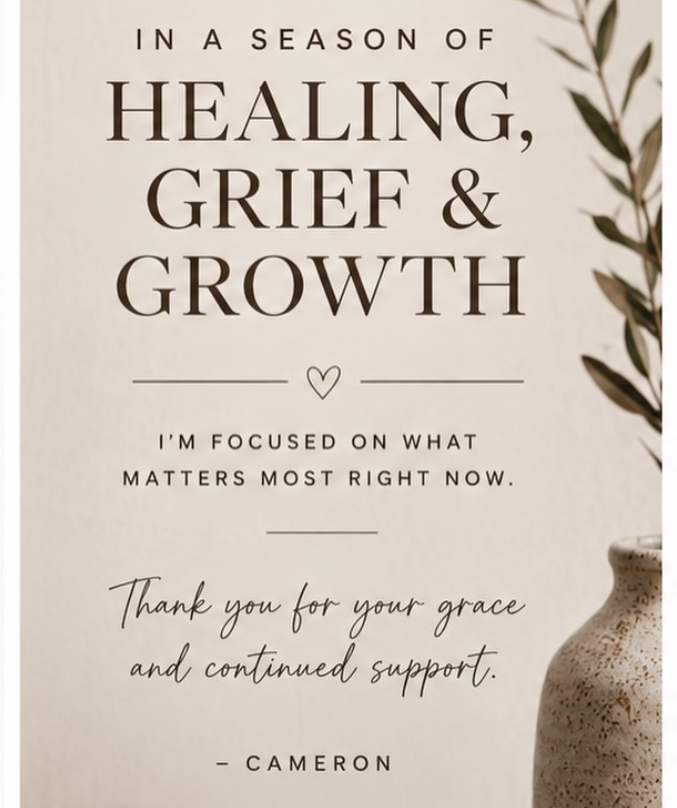
Why I’ve Been So Quiet Lately

There are seasons when words flow freely—and seasons when they don’t.

This is one of those seasons for me.

If you’ve noticed fewer blog posts or podcast episodes, I want to offer a simple and honest update about why. Not as an exhaustive explanation of everything happening in my life, but as a way of being transparent with this community I deeply value.

Since December, I’ve been engaged in counseling and therapy at The Refuge Center. This has been an important part of my ongoing healing journey as I continue to process past trauma and pursue greater wholeness. It is steady, intentional work that requires time, honesty, and emotional presence.

In February, I entered the editing phase of Jubilee’s book while also starting her nonprofit (more details to come). These are sacred responsibilities to me, and they deserve thoughtful attention as these efforts begin to lift off the ground.

In March, I stepped into a new Accounting Manager role with Rural Health Redesign Center. It has been a meaningful professional transition, but also one that requires focus and adjustment as I learn new rhythms and responsibilities. Around the same time, I began a two-month mental health evaluation as part of Vanderbilt’s VUMC Studyfinder program, which confirmed my ASD diagnosis earlier this month.

Alongside these transitions, my roles at The Gate Church and Messenger Fellowship have also shifted. Instead of focusing on admin and tech support, I’m beginning to move more into my wheelhouse—spiritual formation and education. This work has been deeply life-giving, though more inward-facing.

Most importantly, I’m doing my best to be fully present for my kids and support them as they finish their school semesters strong. That responsibility remains one of my highest priorities.

All of these pieces together have created a season in which I simply do not have the same capacity for consistent blogging and podcasting as before.

This is not a step away from this space, but rather a recognition of the season I am currently in.

I still believe in the value of storytelling, reflection, and honest conversation. I still care deeply about this community. And when the time and capacity return, I look forward to engaging more regularly again.

For now, I’m grateful for your patience, your understanding, and your continued presence here.

Thank you for walking with me.

— Cameron

Cover graphic creds: Center for Grief Counseling

Year in Review: A Look Back at 2025

Normally, I savor the opportunity to recap a year, to recount 12 months’ worth of Fry-lights; however, so much has been hitting differently these days. Since I still believe in the practice, I’ll forge ahead, but for the record, this will likely be a prequel to a more upbeat sequel next December. Consider that a life forecast of sorts.

On paper, there’s not much to highlight, at least personally. While last year starred as a bounce-back with arrows pointing up, this year saw more of the opposite. Support systems faded, turnstiles were active, and former friends and colleagues fell off the map. Like any annual review, there’s much I could say about what went right and what went wrong. For now, less is more. I’m still standing, encouraged in how I’m postured heading into 2026 and by faith, declare it to be a banner year during which three and a half years of net spiraling will cease. A new Refuge Center odyssey awaits; heavenly Father, open up the floodgates!

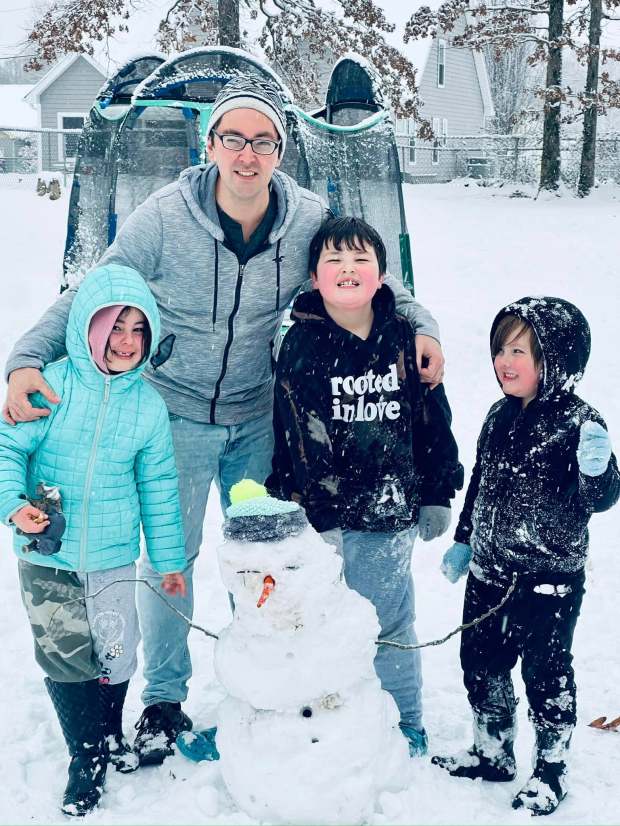
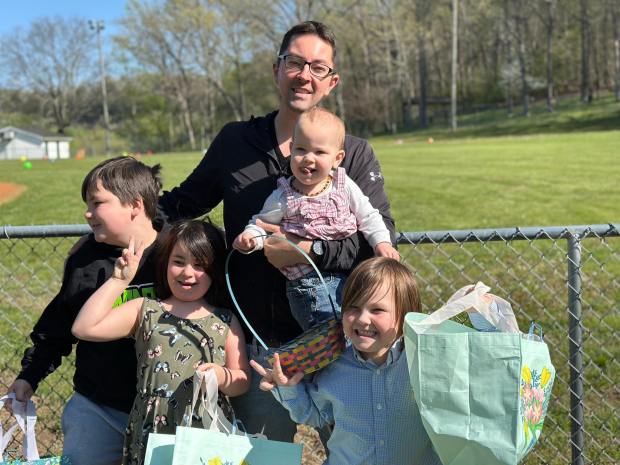
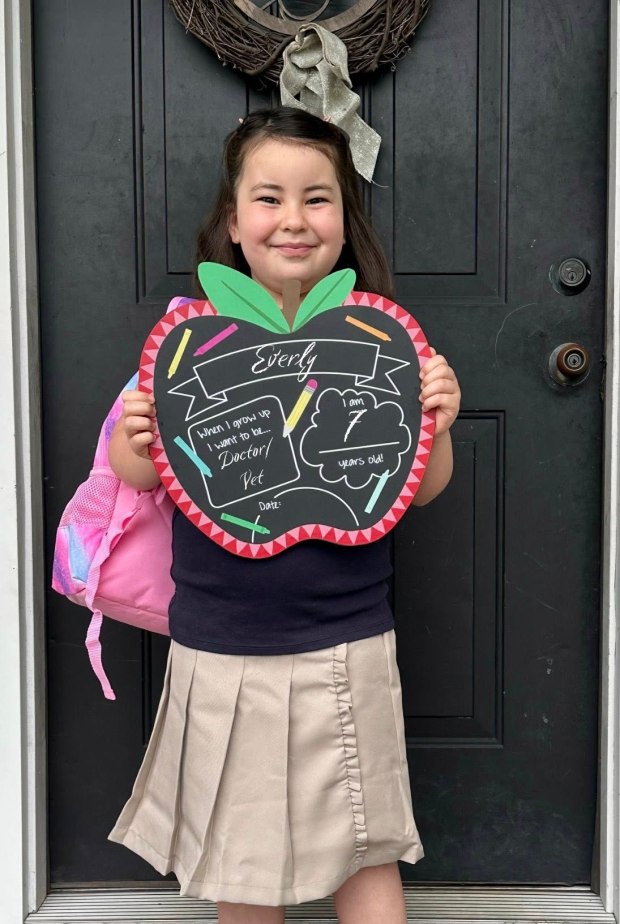
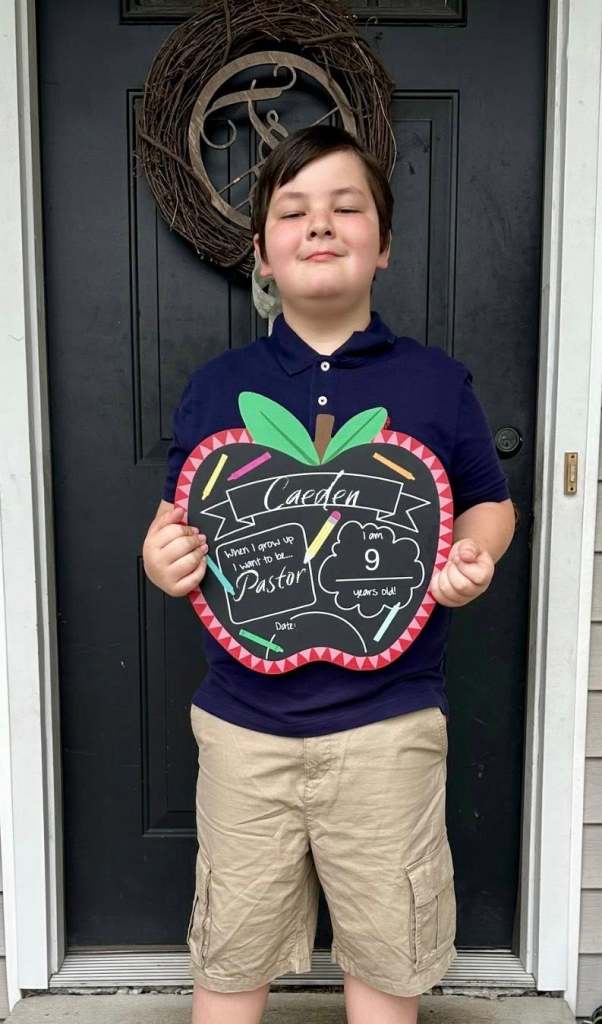
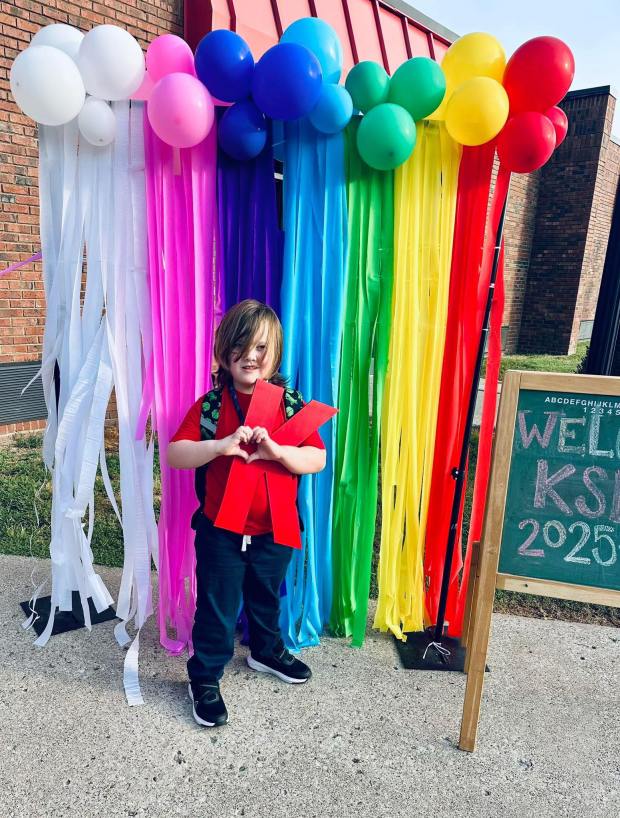
For Lys and the kids, 2025 was a step-in-the-right-direction kind of year, especially on the education front. After completing a strong three-semester run at Arrows Academy Tutorial in May, we applied for scholarships to return Caeden and Everly to Greater Things Christian School. By God’s grace, we not only enrolled Caeden and Everly at Greater Things but also found the right school and accommodations for Milo to begin at Kingston Springs Elementary. A huge set of wins for our family at large!

With the older three in a Monday-Friday routine, Lys has been able to find new rhythms of her own. Despite an unexpected pregnancy, she stayed on board as a teacher at Arrows Academy while starting a TikTok affiliate marketing business in August and assisting me with the communications at our local church. As a mom, she continues to amaze me with how she enhances family morale. Like me, the bereavement grief is still active and at times, intense; however, her progression in recent years has benefited many who have engaged her story.  No question, her life continues to touch and inspire many.

Among the year’s milestones, two stand out: 

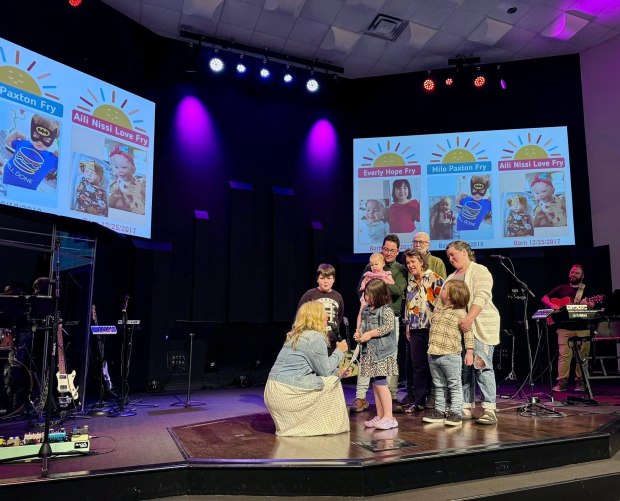
  1. On April 27, we dedicated Everly, Milo, and Aili at The Gate Church after years of delay thanks to COVID-19 and our year at the NICU. We are grateful to see how our kids have responded spiritually, despite the trauma they’ve faced. Much appreciation to Greater Things and The Gate’s Children Ministry for investing so much life and truth into them.
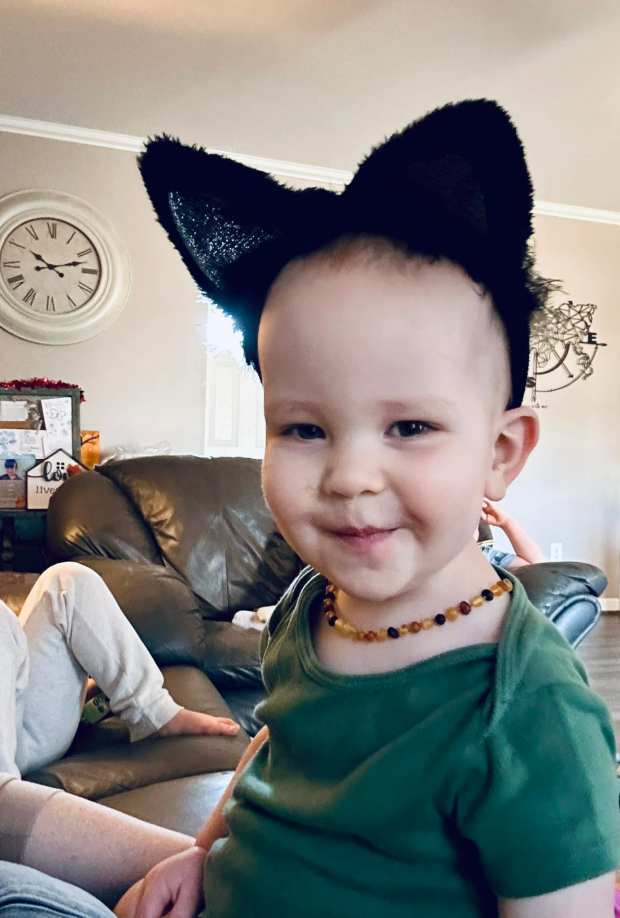
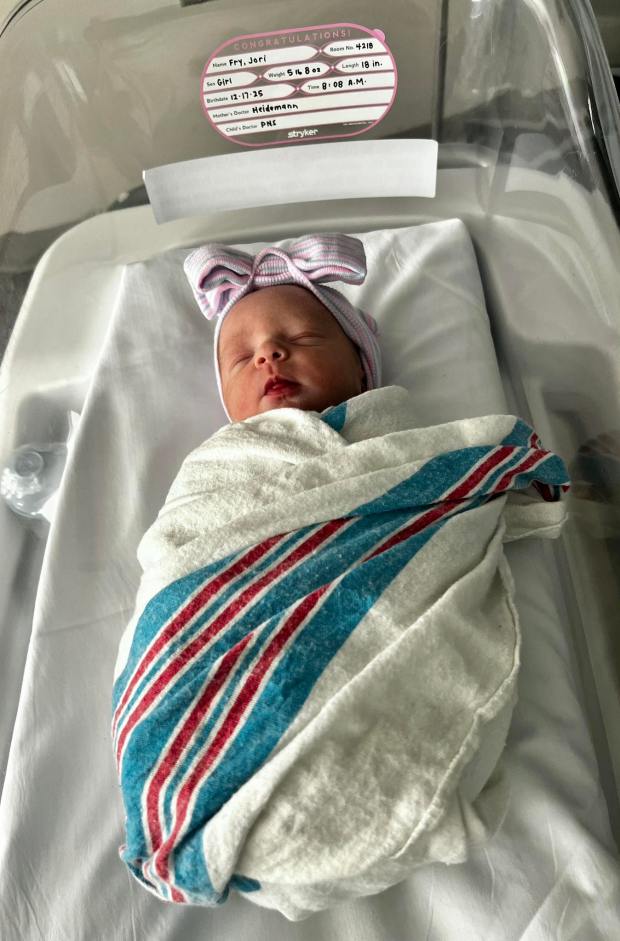
  2. On December 17, we welcomed the arrival of Jori Grace who now completes our family circle. As our second rainbow baby, we’re eager to nurture this life while watching God move through her as she grows and develops. 

Concerning passion projects, there are several big news items on the board, though currently on hold. Currently, Lys and I anticipate the launch of Jubilee’s Hope as an incorporated non-profit by this time next year. With three NICU outreaches under our belt, raising a total of almost $8,000 combined, we plan to ‘umbrella’ future endeavors by providing NICU families with resources, spiritual support, and even household support during their respective journeys. As for Jubilee’s book, I’m happy to report that after months of searching, I’ve found an editor who will help take my manuscript to the next level. A promising development to complement the nonprofit dream!

Regarding ministerial assignments, Lys and I paused our virtual While We’re Waiting support group in November to pursue greater healing. With a new lead, we hope to transition and tag-team this into an on-site group during the second half of next year. As for His Girl Fryday, we shattered our prior hit mark with ~12,750 views in 2025 and hope to build upon that momentum. With more podcasts on tap in 2026, we’re hopeful our voice will find root in other outlets from our home base in Messenger Fellowship to new arenas.

As always, to you and yours, we wish you a very Merry Christmas a Happy New Year!

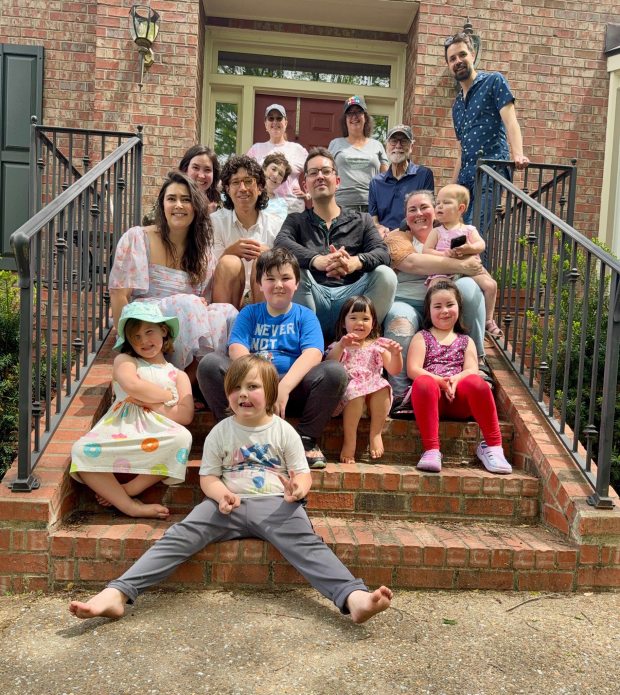
~ Cameron, Lyssah, Caeden, Everly, Milo, Jubilee, Aili, and Jori Fry

Cover graphic creds: Advent Transportation

Autside Looking In: Dealing with the Spectrum and Grief at Work

So, this isn’t a newsflash, but I’ll go ahead and say it anyway.

I’m an autistic adult who’s lost a kid yet believes in his story. While there’s a lot I don’t know, I know a lot about things I wouldn’t wish upon anyone, from holding a child taking her last breath to being unfairly labeled in school for lacking social cues, and at past jobs for having neurodivergent tendencies.

Not to suggest I’m a victim or anything. I’m just different, perhaps a little anomalous, and that’s okay. Honestly, the world needs more people who are content and confident in their uniqueness, in how they see and understand the world around them.

Yet, as for why I’m writing this, consider it a call for corporate introspection, from churches and counseling centers to employers across the country. No matter what organizational structure is employed, there must be support for spectrum people as well as those who are struggling with trauma and loss. In our interactions with colleagues, providers, subordinates, and those in our household, we must not only prioritize grace, compassion, and understanding in our dealings but also make additional room for them with certain people in specific situations.

The reason is simple: While every day is a gift, it can also feel like a burden for the one walking through complexities they can’t understand. Are we actively thinking of ways to steward psychological safety in our workplaces, to share requests and concerns? Are we screening people at strategic junctures to know what their accommodations should be? Are we seeking to understand the ‘why’ behind select needs, tools, and outputs? Are we willing to learn more about what doesn’t directly apply to us but applies to those on our team, from the cubicle peer next door to the prospect who could be the missing link to our company’s next big thing?

Again, I’m not looking to force conviction, but stir some questions for thought. Are we, as influencers and leaders with varying degrees of authority, considering ways we can facilitate healthy environments for those who may struggle to regulate on overwhelming, high-pressure days? Are we contributing our availability and wisdom to potentially detrimental dynamics? Are we being bold to sow life while being emotionally sensitive to those who could use a piece of our positivity, perspective, or direction?

Whatever your answers are, I’m not entitled to know, though I will say this in closing. Dare to care enough to know when an unjust tag is applied, when bias is infiltrating a pride-centric culture where hurting and/or neurodiverse people are somehow inferior. In all we say and do, let’s keep our hearts intact, our protocols fine-tuned, and our attitudes open to adjustments.