When Grace Clocks In: Grief, Disability, and the Workplace

There are phrases you forget. Others hang around.

This one came from a leader two gigs ago. Years later, it still hasn’t left:

“An above-average series of unfortunate events.”

Interesting way to put it. Especially when you know what the “events” were.
My daughter had died.

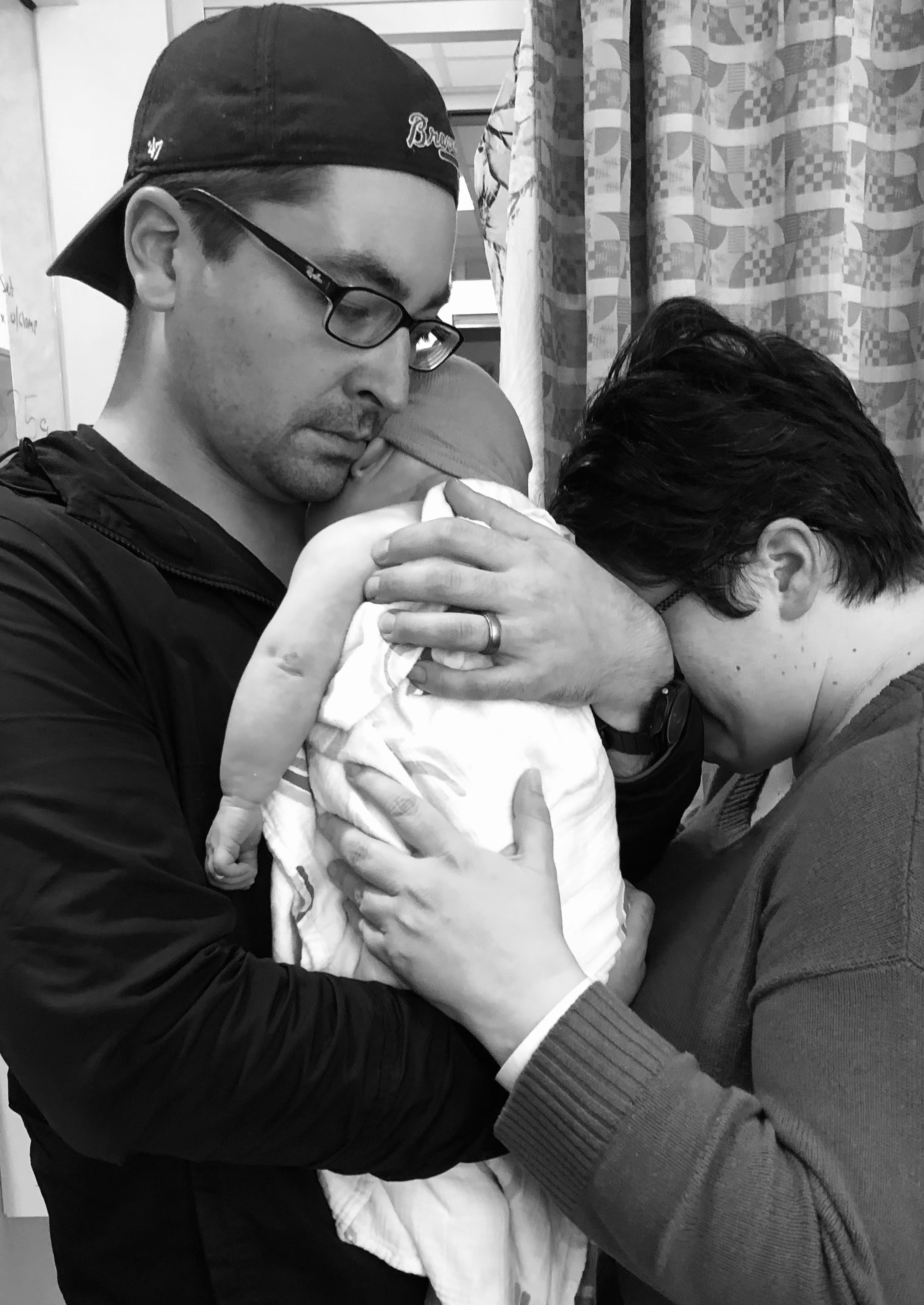
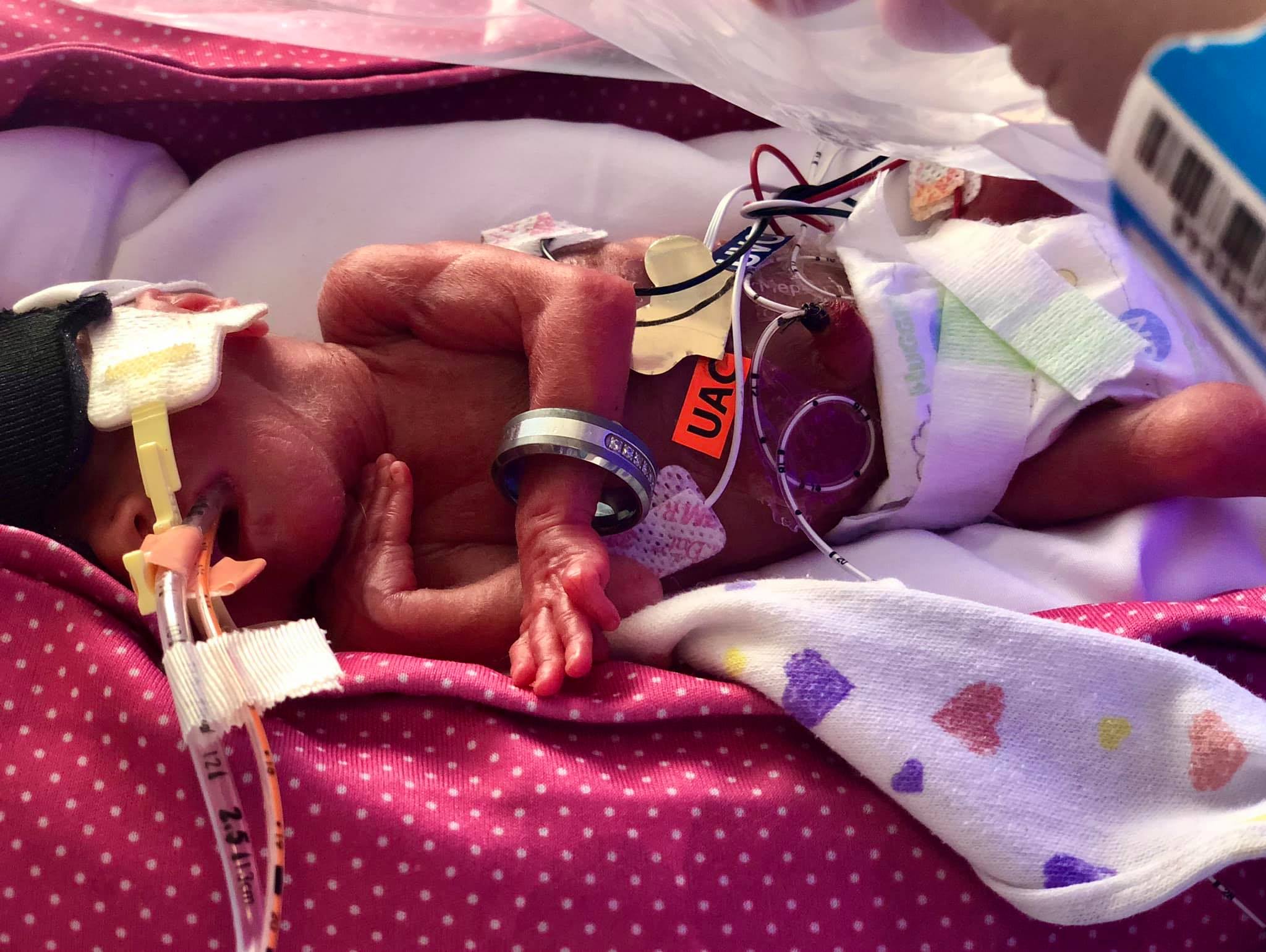
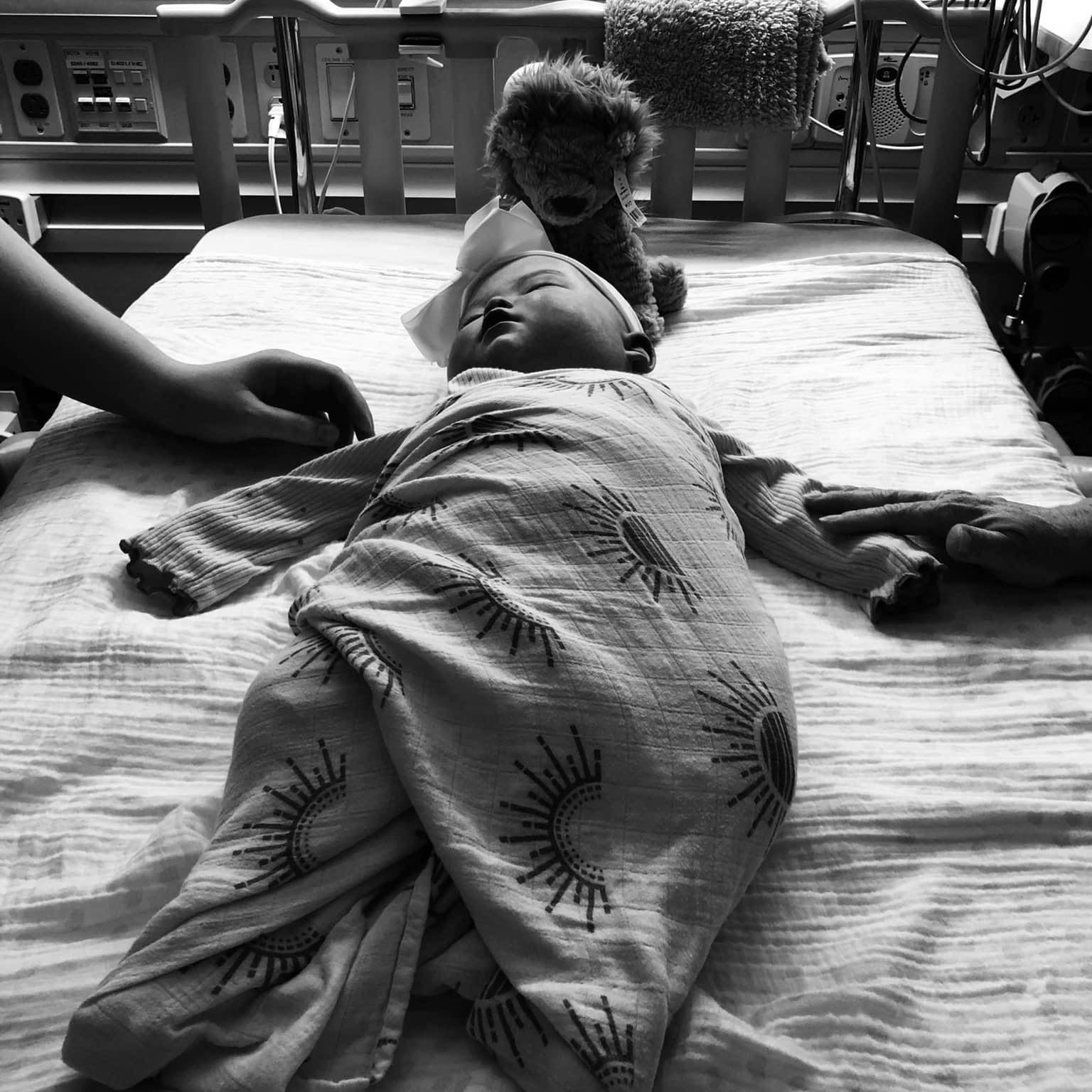
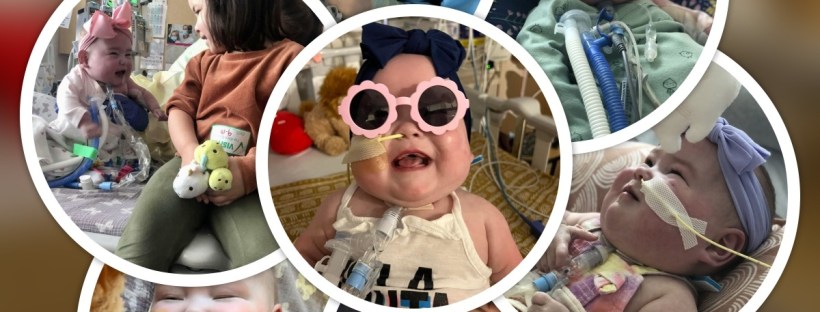
Jubilee spent 393 days in the NICU. For more than a year, our family learned to live somewhere between home, work, church and a hospital room. Then she was gone, and we had to figure out how to live in a world that kept moving without her.

Money was tight. Really tight. I kept working. Kept functioning. I donated plasma on my lunch breaks for extra money until one day I nearly passed out afterward. Something inside me was running out of road, and I didn’t understand why.

I know more now.

Earlier this year, my spectrum results came in. Suddenly, parts of my life that had never quite made sense started talking to each other. The masking. The exhaustion. The mental real estate consumed by unresolved conflict. The invisible cost of navigating environments that seemed to cost other people almost nothing.

Then I looked back at that season: bereavement, financial pressure, neurodivergent burnout. All stacked on top of each other before I even had the language to understand why my own wiring made some of that weight so costly to carry.

So, sure. “Unfortunate events.” Might as well call a hurricane an above-average amount of wind and rain.

I don’t believe that leader was trying to be cruel. I can’t know everything behind the words. But intent isn’t really why the phrase stayed with me. It stayed because language can be technically defensible and still be painfully inadequate for the human being standing underneath it.

That’s where I’ve landed on something I wish more leaders understood:

Context isn’t the enemy of accountability.

I haven’t always communicated as clearly as I could have, and I certainly haven’t navigated every professional situation perfectly. Being neurodivergent doesn’t absolve me of responsibility. Neither does grief. But context isn’t an escape hatch from accountability. Understanding someone more fully makes accountability more accurate.

If somebody who was once engaged suddenly isn’t, get curious. If performance changes after catastrophic loss, get curious. If someone trusts you enough to disclose a disability, get curious.

Not “What’s wrong with this person?” but “What’s happening to this person?”

I’ve started calling that holy curiosity.

There was real kindness during Jubilee’s 393 days. Coworkers gave their time. People helped me get to the NICU. My employer gave our family flexibility during an impossible season. Distance has helped me appreciate those things more, not less.

I’m also a words-of-affirmation person. Looking back, I can see times when I was waiting for care to arrive in the language I understood best while missing some of the ways people were already speaking it. That’s mine to own.

But kindness and understanding aren’t necessarily the same thing. The fairest way I know to say it is this: I received more kindness than I knew how to appreciate at the time, but less intentional understanding than I needed.

We also understand neurodivergence differently than we did when I was growing up. People like me can make it through school, relationships and entire careers without understanding why seemingly ordinary environments exact such an extraordinary internal cost.

We know more now. That should make us more curious now.

We talk about grace. Truth. Mercy. Restoration. Bearing burdens. Eventually those words have to clock in. They have to survive somebody’s grief affecting performance, somebody’s disability complicating communication, somebody making a mistake, somebody becoming inconvenient.

Jesus had a way of refusing to reduce complicated people to the most immediately visible thing about them. He noticed. He asked. He moved toward suffering.

Maybe that’s where better leadership begins too.

There is another place where this conversation matters just as deeply: the church. Faith communities can be remarkably good at showing up when tragedy arrives. But what happens when the meals stop, the crisis passes, and grief or special needs simply become part of a family’s everyday life? That’s where I want to go next—in Part Two, When the Church Moves On.
Road to Healing: Why Even in Pain, There’s Still Jubilee

It’s been three years to the day since Juju’s death.

For better and worse, Lys and I haven’t been the same since that fateful day. While grief intensity has lessened, life still feels like a tightrope. One false step and we’re praying for a safety net, just trying to survive – like when Juju was alive only without the hope of tomorrow. If only I were better at patience, maybe this whole waiting thing would be easier.

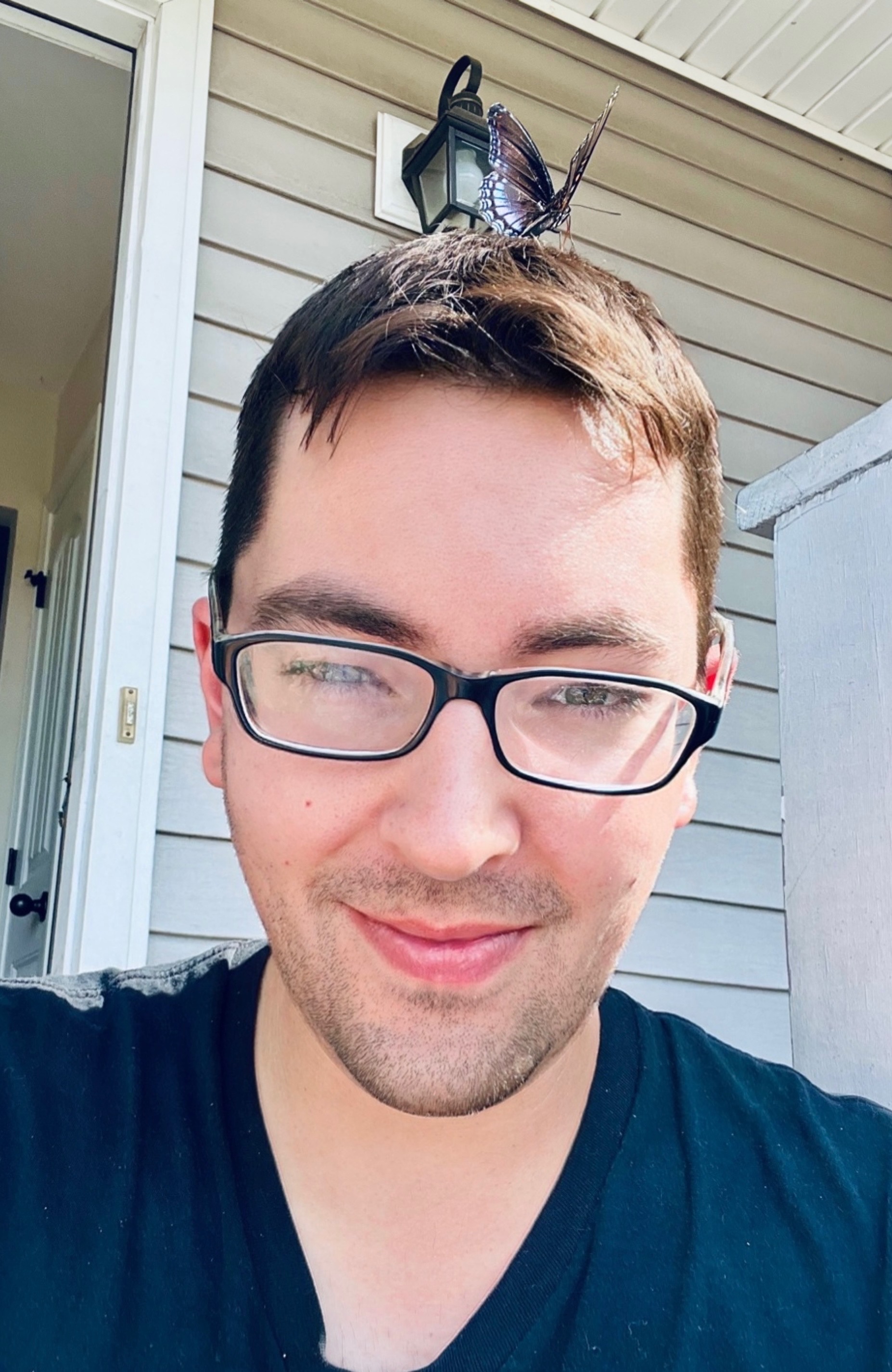
As Juju proved during her NICU tenure, progression and regression aren’t always mutually exclusive. At times within her fragile body, one element was improving while another was degrading. Her recovery and, at times, lack thereof, was anything but a linear wave. Like life itself, her journey was a winding roller coaster with unexpected turns and unprecedented breakthroughs. Her butterfly tattoo on my heart, not a day goes by that I don’t think of her and consider the glory of what she constantly experiences.

Yet, though the tears have remained mostly at bay the past year, there’s still a temptation to anger. God, why didn’t you somehow, someway cap her suffering? If you knew she was going to barely make it past a year, why defer the inevitable?

In most cases, I can convert those ‘whys’ into ‘look what God did’ and carry on. Where I stumble is the next level down: God, why aren’t people more naturally geared towards the broken-hearted? Why does the silence sometimes increase when it needs to decrease? In the shadows, you were there after Juju’s death. What about those who may not even be able to find you at all? What about them?

These questions have been raised before, and they’ll be raised again. Until the answers come, I, along with the rest of us, must settle in Christ (1 Peter 5:10; Colossians 2:6-7). For those who have lost a child, we don’t have any other option. At day’s end, everyone has a call to embrace their suffering and ditch their baggage. No exceptions. I know for me, sometimes I get into trouble tolerating the baggage while trying to ditch the suffering in a quest to find meaning in pain; however, in times of reset, I catch myself in the striving and commit my ways to God whether I feel like it. It’s hard as heck, don’t get me wrong. I just know as low as I feel sometimes, I’m only hindering my perspective when I punt prayer and vertical reliance.

I love how Paul opens Colossians 3:1: “Therefore if you have been raised with Christ, keep seeking the things that are above, where Christ is, seated at the right hand of God.”

For starters, the chapter unpacks our ‘new self’ identity as a garment we can wear regardless of the day. But even more promising, we’re reminded in the intro how we’ve been raised with Christ to a new life, sharing in His resurrection from the dead. In a weird way, this hits home even more so these days. Even when I feel dead on the inside, somehow, I know I’m that much closer to the type of life I crave. Among all the things that are above, where Christ is, seated at the right hand of God is also my daughter. Your son. His grandson. Her granddaughter. Their mother, their father, our friend, etc.

The way God’s lap is designed, there is always a comfort and rest to draw from, even if it’s simply His presence and nothing more.

The problem is we’re not often content with the safety of God’s nearness because we’re dissatisfied with the security of it. Our kid passed away, so we doubt if God is who says He is. If God is a God of love, then why didn’t His sovereignty meet my faith in the middle? If God has the capability, why didn’t His power take pity on a soul that could have done wonders for Him if given the opportunity?

While I’m not condoning this as the correct posture to take, admittingly, this is a popular contention bereaved parents wrestle through. We desire the improbable; we believe in the impossible. We just wish it could have looked a certain way. And that’s okay…assuming we regularly surrender our grief, anxiety, fear, and anger. As Juju reminds us, there’s beauty to be found in the ashes of our sorrow, especially when we reframe our perspective to see a life well fought as an altar pointing people to Jesus. Our lives may always sound like a sad song, but that doesn’t mean what other people hear is the same tenor.

Trust me, life has been brutal, dare I say, savage, this decade. Despite the positive turn in recent years, my debates with God are still on the regular.

Dear Lord, thank you for what you did during Juju’s life and gifting my family with this incredible light, this testimony unfolding, but surely you know what it’s like to grieve. You know what it’s like to be separated from your only begotten Son. If you’re stripping me of anything my life could cling to other than you, so be it. I don’t have to know how you’re exalted in those moments as long you’re exalted at all. And with a daughter dancing in your courts, I dare not lose sight of the new life I have in Christ, knowing that’s exactly what she has.

For all you readers and co-sufferers out there, ask yourself: Will I be too stubborn in my grief to don new garments of praise? To serve and think within new wineskins? Or am I too scared to endure because I don’t want God to let me down again? I know for me, I don’t have the margin, nor do I want to give that question room to manifest. Thus, I will keep looking up and pressing on one step at a time, with Juju’s rays forever on the horizon. The victory’s been won. Let’s choose to walk it in. God, show us the way…

Selah.